Tank cleaning, derusting and sealing
We professionally clean, derust, strip, phosphate and seal fuel tanks.
The key is not a one size fits all process, but the right treatment for the actual condition of each tank.
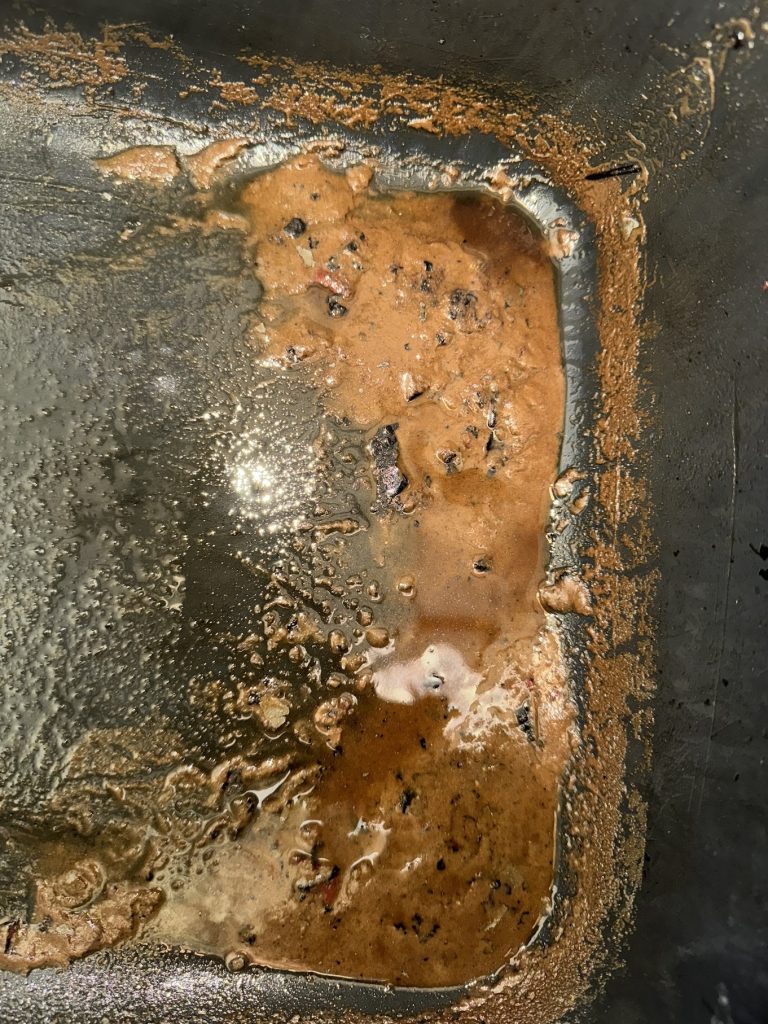
Every tank needs its own assessment
A tank with light surface rust needs a different treatment than a tank with an old internal coating, fuel resin or years of storage damage.
That is why we first look at the condition and then decide which steps actually make sense.
Proper tank restoration consists of several steps: cleaning, degreasing, derusting, stripping if necessary, drying, inspection and, depending on the job, sealing.
If one of these steps is done poorly, the final result will suffer.
Our standard is clear: the tank should not only look good from the outside, but also be clean, dry and reliably usable on the inside.
If the surface underneath is not sound, even the best new sealing will not last properly.
What we can do for your tank
Depending on the condition, we combine the right work steps. Not every tank needs everything.
But every tank needs proper preparation.
Cleaning and degreasing
Fuel residues, oil, dirt and deposits are removed. Thorough degreasing is the foundation for all further treatment steps.
Chemical derusting
Rust is removed chemically without mechanically damaging the tank. This is a major advantage, especially with thin sheet metal.
Removal of old coatings
Old sealants, failed DIY coatings or loose internal coatings are removed before any new treatment is applied.
Phosphating
A phosphate layer can provide additional protection after derusting and, depending on the job, can be a useful intermediate step.
2K internal tank sealing
Internal sealing protects the tank against renewed corrosion in the long term and is only applied to properly prepared surfaces.
Drying and final inspection
After treatment, the tank needs sufficient time to dry and cure. The result is inspected before the tank is returned.
Why preparation matters more than the sealing itself
Many failures are not caused by the material, but by poor preparation. If grease, rust, old coating or moisture remain inside the tank,
a new coating cannot bond properly.
That is why we take the necessary time for cleaning, derusting and drying. Especially with old motorcycle tanks and classic vehicle tanks,
patience is often more important than speed.
A new sealing only makes sense when the surface has been properly prepared. Anything else would be poor workmanship with a nice surface.
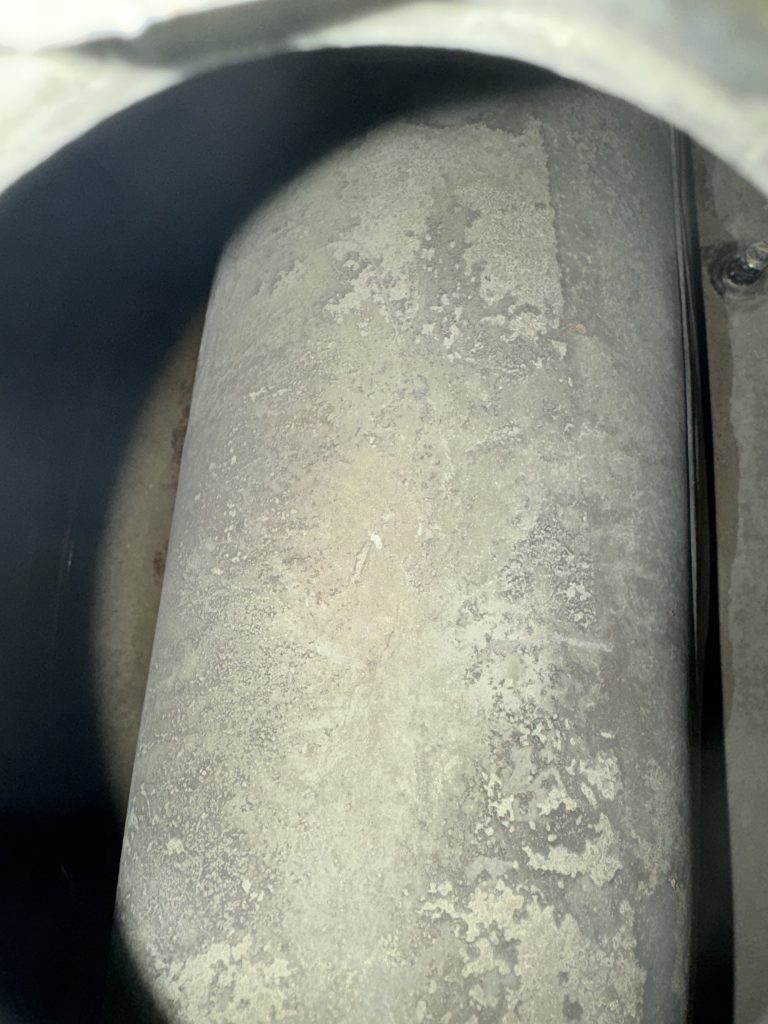
Damage we regularly see
Many tanks still look usable from the outside. The real problems are inside and often only show up as rust particles in the fuel,
clogged filters or issues with carburettors and injection systems.
Rust inside the tank
Surface rust, deeper corrosion or rust flakes can contaminate the fuel system and clog filters, jets or carburettors.
Old internal coating
If old coatings blister, soften or start to peel, they must be removed before a new treatment is applied.
Fuel resin and deposits
Old fuel residues can form sticky layers that make cleaning and adhesion significantly more difficult.
Failed DIY coating
Poorly applied coatings often lead to peeling, runs, puddles or adhesion problems inside the tank.
Long storage periods
Tanks that have been stored dry or with old fuel for a long time often show rust, odour, resin and heavy deposits.
Special shapes and hard to reach areas
Some tanks are harder to clean, rotate or dry completely because of their shape. This is where experience matters.
How the work is carried out
The process stays simple for you. We inspect the tank, agree the required work and treat it with the appropriate procedure.
Send photos
Photos of the outside and inside help us realistically assess the condition in advance.
Clarify workload
We discuss which steps make sense and whether additional work is likely.
Ship the tank
Fill out the accompanying form, include it with the parcel and ship the tank safely packed.
Treatment
Depending on the job, the tank is cleaned, derusted, stripped, phosphated or sealed.
Return shipping
After drying and inspection, the tank is safely packed and sent back to you.
Not sure what your tank needs?
Send us photos of the tank. We will give you an honest assessment of whether cleaning, derusting,
stripping, phosphating or sealing makes sense.